
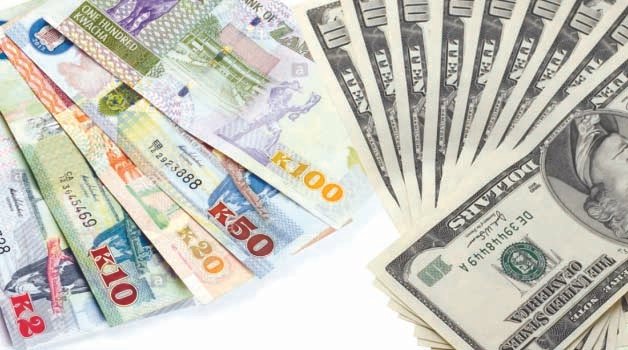
Lusaka, Zambia – 27 November 2025
The Zambian kwacha held relatively stable against the US dollar across commercial banks yesterday, reflecting a market in balance as improved hard-currency inflows, moderated corporate demand, and tighter interbank conditions combined to keep volatility contained.
Data from commercial banks during the three daily pricing windows 09:30, 12:30 and 15:30 shows the kwacha trading within a narrow band, with most banks posting buy rates between K22.70 and K22.95 and sell rates between K22.95 and K23.17. The steadiness indicates that recent gains driven by stronger supply from mining exports and improved confidence in monetary policy are still holding.
Market Overview: A Day of Controlled Stability
Across the banking sector, the kwacha showed gradual strength in interbank markets while retail rates those offered to individuals and corporates exhibited mild upward pressure. This split is typical when wholesale liquidity improves but end-user demand remains elevated.
- Interbank rates averaged:
Buy: K22.84 | Sell: K22.89 - Retail market averages:
Buy: K22.85 | Sell: K23.15
The spread between interbank and retail rates widened slightly in the afternoon session, suggesting that corporate dollar demand especially from import-dependent sectors persisted even as banks enjoyed comfortable forex positions.
Morning Session (09:30): Strongest Kwacha Levels of the Day
The kwacha opened the day on relatively firm footing:
- Banks such as Bank of China, ABSA, and FNB posted some of the lowest buy/sell ranges (K22.70-K22.80), reflecting confidence in supply conditions.
- High-tier banks like Access, FAB, and Indo-Zambia Bank held the higher end of the range at K22.90-K22.95.
What this means:
Some banks entered the day with comfortable dollar reserves, allowing stronger quotes. Others maintained conservative pricing due to anticipated end-month demand.
Midday Session (12:30): Slight Pressure Emerges
At 12:30, several banks adjusted retail sell rates upwards a sign of:
- Corporate clients converting kwacha to dollars for inventory payments
- Higher walk-in retail demand
- Typical end-month liquidity adjustments
Notably:
- ABSA’s sell rate climbed to K23.0202
- Citi, Stanbic, and SCB maintained higher retail sells around K23.10-K23.30
- Interbank rates, however, stayed largely unchanged
Interpretation:
The kwacha faced mild intraday pressure, but banks with strong dollar books did not shift interbank quotes, signalling the market remained well supplied.
Afternoon Session (15:30): Consolidation and Stability
By the close of business, the kwacha settled into a stable range:
- Interbank rates were steady across all banks a sign that the Bank of Zambia’s tight monetary stance and improved forex flow helped anchor the market.
- Retail sell rates peaked around K23.17 (Citi, ABSA, Standard Chartered), reflecting persistent but not aggressive corporate dollar buying.
- Retail buy rates remained clustered around K22.85-K22.95, showing banks were not competing aggressively to accumulate dollars.
Overall takeaway:
The kwacha absorbed demand without meaningful weakening, a bullish signal heading into month-end.
Banks Showing the Strongest and Weakest Rates
Strongest Kwacha (Best Retail Sell Rates for Customers)
- ABSA (morning): K22.9699
- Bank of China: K23.0555
- ZANACO: K23.0426
These banks offered the cheapest USD for customers, reflecting confidence in forex availability.
Weakest Kwacha (Highest Retail Sell Rates)
- Citi: K23.3000
- Standard Chartered: K23.1750
- UBA: K23.1768
Higher sell rates indicate tighter dollar liquidity among these institutions or strategic pricing to moderate demand.
What Is Driving Current Exchange Rate Dynamics?
1. Improved Copper Export Proceeds
Recent data shows strong mining export earnings particularly refined copper boosting dollar inflows and supporting the kwacha.
2. Effective Monetary Policy Support
Higher interest rates and tight liquidity management by the Bank of Zambia are reducing speculative activity and stabilizing the currency.
3. Controlled Government Spending
Reduced kwacha liquidity in the system continues to ease pressure on the exchange rate.
4. Seasonal Import Demand
End-year demand for fuel, food imports, and retail inventory is keeping retail sell rates elevated but not destabilizing.
Market Outlook: What Investors Should Watch
Looking ahead, analysts expect:
- Stable to slightly stronger kwacha if export inflows continue
- Potential volatility around month-end as corporates settle foreign obligations
- Narrow spreads as banks adjust to real-time liquidity flows
- More stability if the central bank maintains tight monetary conditions and macro fundamentals continue improving
Retail customers may see slight fluctuations, but major spikes are unlikely unless external shocks (oil prices, global dollar movements) emerge.