



LUSAKA, Zambia
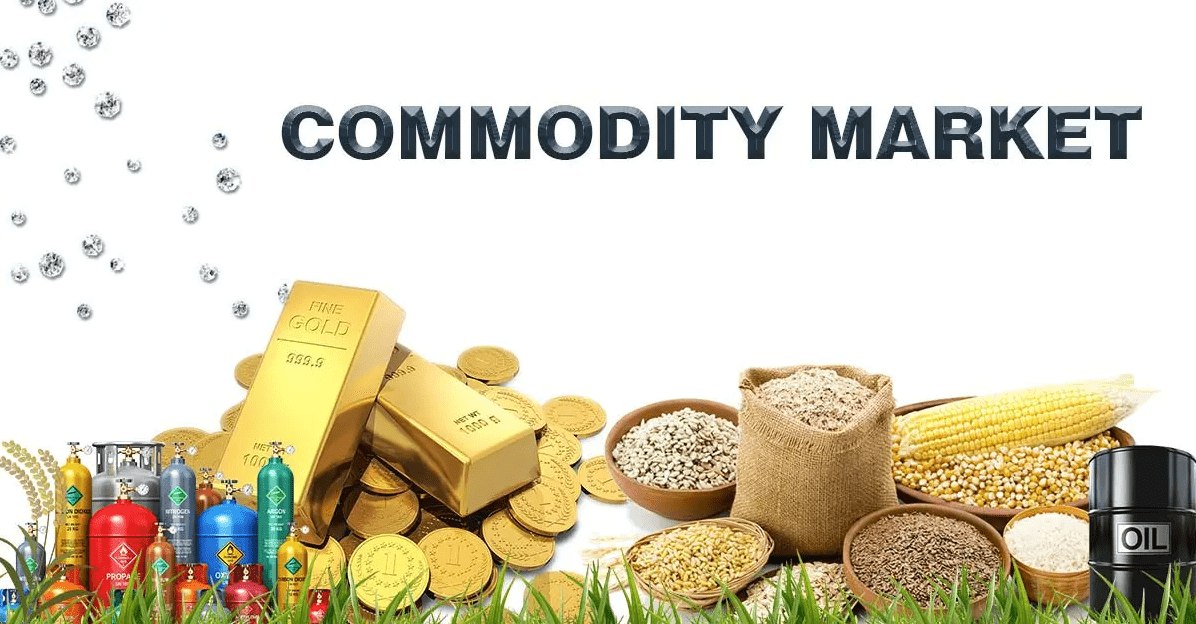
Global commodity markets today showed a mix of gains and modest declines, offering both opportunities and challenges for developing economies. Copper and coal led the gains, while precious metals and some industrial commodities edged lower.
Copper climbed 2.11% to $5.29 per pound, a positive sign for major copper-exporting countries such as Zambia and the Democratic Republic of Congo (DRC). Historically, rising copper prices have provided these nations with increased foreign exchange inflows, higher government revenues, and resources to invest in infrastructure and social programs. Zambia, in particular, stands to benefit as higher copper earnings support fiscal stability and funding for mining-linked community development initiatives.
Energy commodities such as coal (+0.42%) showed steady gains, benefiting countries with significant coal production like South Africa, Botswana, and Indonesia. These nations can capitalize on rising global demand for industrial and energy fuels, providing additional revenues and economic support. However, countries heavily dependent on energy imports, including Kenya, Nigeria, and Egypt, may face higher import bills, which could strain national budgets and increase domestic fuel costs.
Agricultural commodities were relatively stable, with soybeans up 0.36% to $1,128.77 and wheat modestly higher at $538.11. Countries with strong agricultural exports, including Brazil, Argentina, and Zambia, may benefit from steady demand and prices, which historically support rural incomes and food security programs. Conversely, import-dependent nations such as Egypt and the Philippines could see food import costs rise, creating inflationary pressures.
Precious metals showed slight declines, with gold down 0.12% and silver falling 0.50%, reflecting reduced safe-haven demand amid a stable risk environment. Countries with large gold reserves, like Ghana, South Africa, and Peru, may experience limited gains compared to periods of heightened global uncertainty. Industrial metals such as steel and iron ore recorded minimal increases, favoring producers in Brazil, India, and Australia, while import-dependent economies may see marginal cost reductions.
Analysts note that while rising copper, coal, and agricultural commodity prices present opportunities, developing countries must focus on value addition, infrastructure investment, and fiscal prudence to convert short-term gains into long-term economic growth. Nations heavily reliant on imports face potential challenges, underscoring the importance of diversified economies and strategic resource management.