
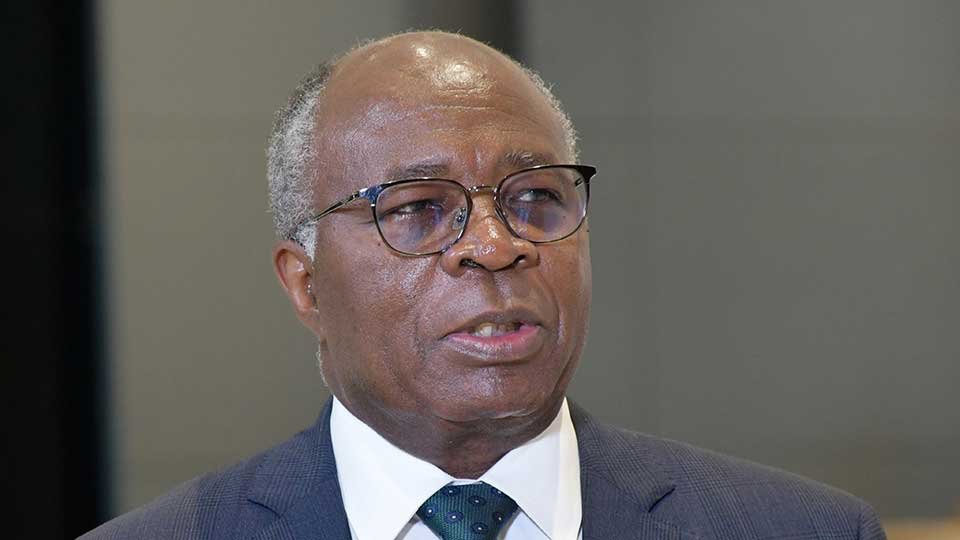



LUSAKA– Energy expert Andrew Kamanga says Zambia’s fuel pricing model under the Open Access framework is performing well but requires greater transparency particularly in the management of the TAZAMA pipeline to ensure consumers benefit from lower pump prices.
Featuring on Prime TV’s “One-on-One” program hosted by veteran broadcaster Frank Mutubila, Kamanga said while the current model has contributed to price stability, the country risks facing supply shocks due to the rapid proliferation of Oil Marketing Companies (OMCs) without adequate storage capacities.
Kamanga, who has served as Managing Consultant at ENFIN Limited for 25 years, said the country now has 83 OMCs and 647 filling stations, a number he described as “excessive” and potentially harmful to national energy security.
“Yes, we need private participants in the sector without doubt, but this growth should have been reasonably managed,” he said. “OMCs must be required by law to have fuel storage facilities. This is critical to safeguarding the country’s strategic reserves and ensuring uninterrupted supply in the event of external disruptions.”
He noted that Zambia, being fully dependent on imported finished petroleum products, must reinforce its fuel storage requirements to maintain national resilience.
Kamanga criticised the removal of the 15-day mandatory physical storage rule, which previously ensured that OMCs contributed to the nation’s strategic reserves.
“We moved from five OMCs to 83 because the PF government removed this requirement,” he said. “We now have massive trading in the sector, but we’ve ignored the most important factor security of supply.”
Kamanga urged the government to revisit and reinstate the minimum storage threshold, adding that the country already has government-owned storage depots that can support this policy shift.
On the fuel pricing model, Kamanga said the current approach based on international import prices, pipeline transport costs, distribution fees, and ERB-regulated margins is functioning well. He pointed to the drop in diesel prices from K32 at the start of the year to K25 in November, a reduction he attributes to the appreciation of the kwacha, which has been reflected in the pricing formula.
However, he stressed that Open Access reforms must be strengthened to ensure transparency and fairness in how distributors use the TAZAMA pipeline.
His comments follow an International Monetary Fund (IMF) recommendation that Zambia fully open the TAZAMA pipeline to all distributors under a transparent and competitive framework.
“What we need are deeper reforms around Open Access so that it becomes predictable and transparent,” Kamanga said. “Only then will the benefits fully reach customers at the pump.”