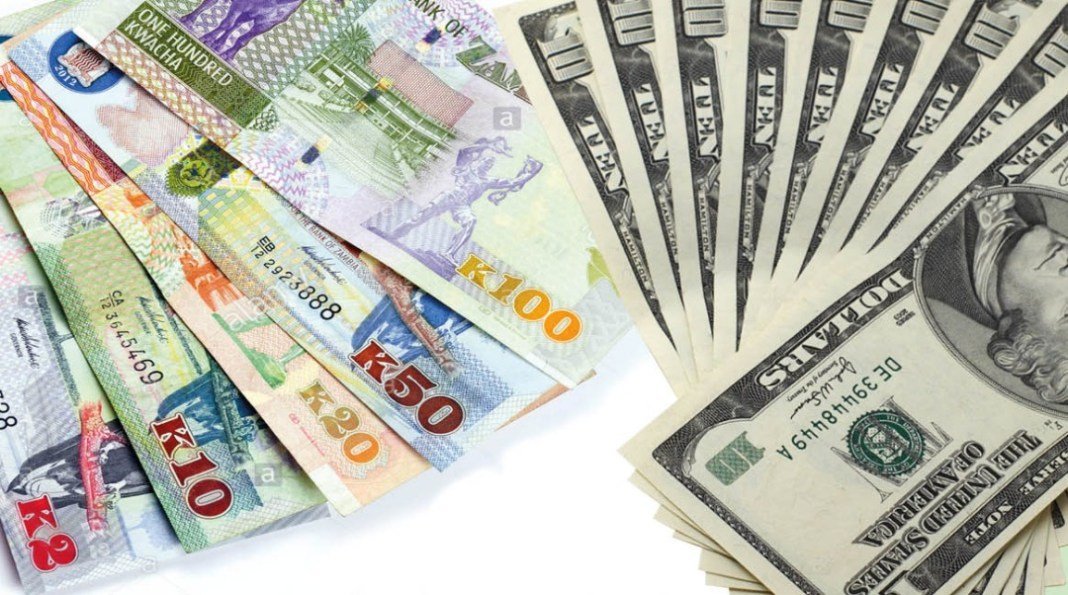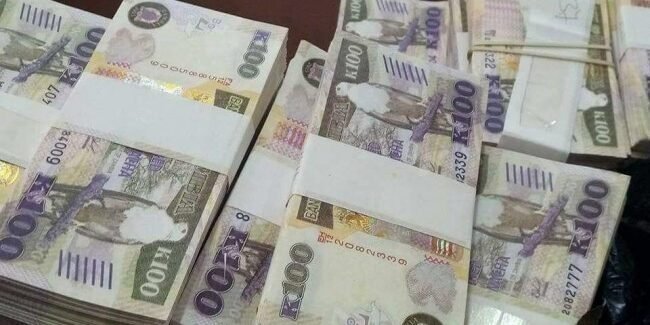


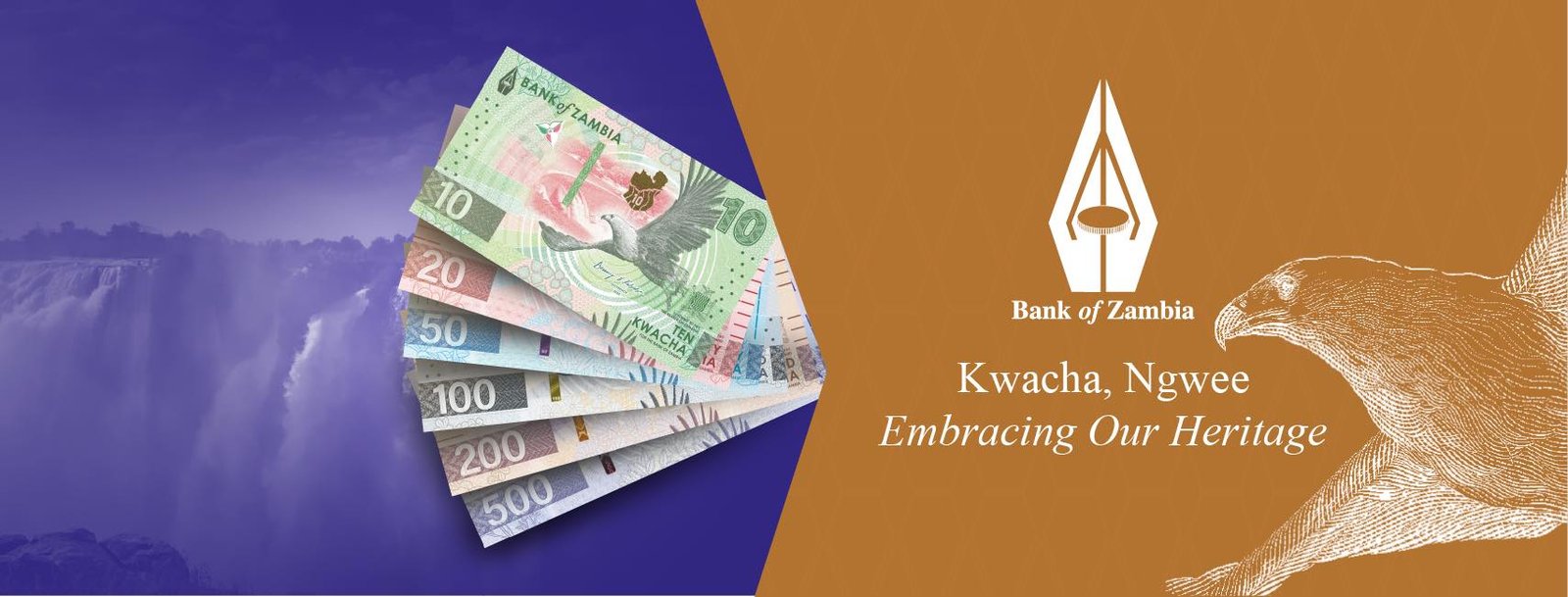
LUSAKA, Dec 10 The Kwacha continued to depreciate against the U.S. dollar in Monday’s trading sessions, with commercial banks’ rates showing a steady weakening of the local currency driven by persistent demand for the greenback from importers and corporates.
According to the Daily Commercial Banks Exchange Rates, the market average retail rate rose to K23.5298 per dollar by the 15:30 session, up from K23.4790 earlier in the day. On the interbank side, the average selling rate climbed to K23.2993, reflecting mounting pressure on the Kwacha as dollar liquidity remained tight.
The Kwacha’s depreciation is compounded by year-end corporate settlements, increased fuel import requirements, and continued pressure from regional currency movements.
Top Sellers and Buyers
Based on the afternoon session (15:30 retail and interbank rates):
Top Sellers (Highest USD Selling Rates)
- Zambia National Commercial Bank (ZANACO) – K23.6756
- CITIBANK Zambia – K23.6270
- ABSA Bank Zambia – K23.5648
These banks offered the dollar at the highest retail prices, reflecting stronger demand from their corporate clients.
Top Buyers (Highest USD Buying Rates)
- Indo-Zambia Bank – K23.2800
- ZANACO – K23.2570
- First Capital Bank – K23.2800
These banks bought dollars at higher margins, providing more competitive rates to dollar sellers.
Market Overview
Most banks maintained narrow spreads throughout the day, indicating cautious trading in a market where demand continues to outstrip supply. By the final session:
- Lowest retail selling rate: Bank of China (Zambia) at K23.5055
- Highest interbank buying rate: Indo-Zambia Bank at K23.2800
Financial analysts warn that unless supply improves—especially from mining inflows—the Kwacha may continue facing downward pressure in the near term.
Economic Implications
The weakening currency is expected to raise import costs, particularly fuel and essential commodities, at a time when Zambia is already grappling with inflationary pressures. Businesses dependent on USD-denominated inputs may feel the pinch as the year closes.
The Bank of Zambia has not yet made a policy intervention this week, but traders note that stabilisation measures may be required if volatility increases further.
The Kwacha has remained one of the more volatile regional currencies this quarter, reflecting both local economic challenges and global dollar strength.