


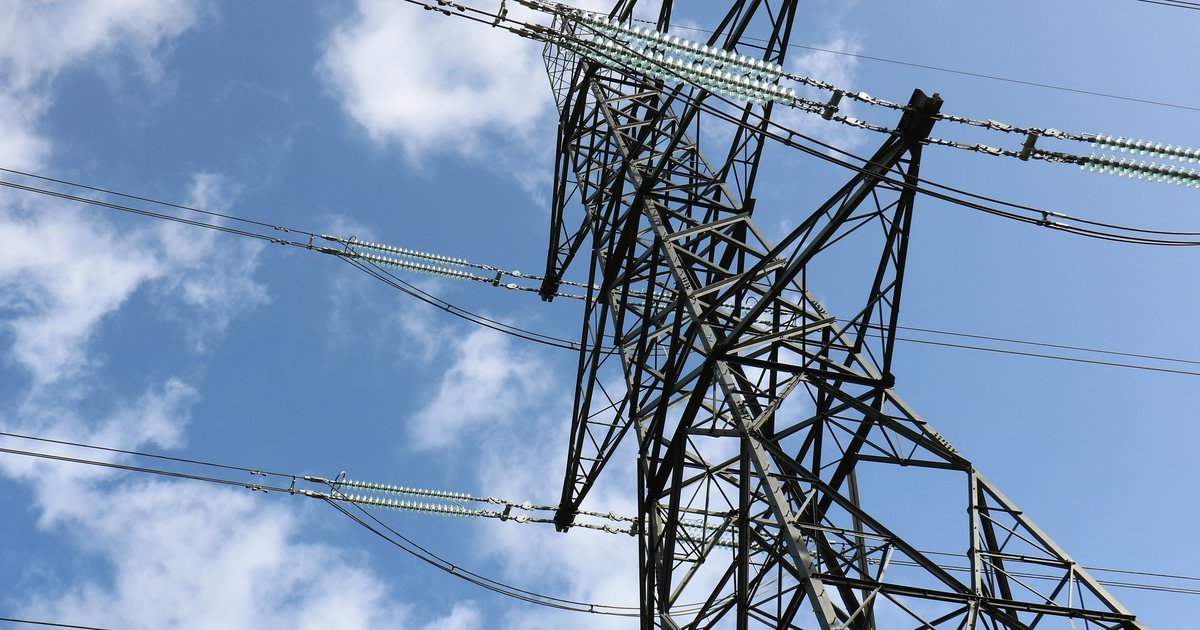
LUSAKA, Zambia has signed a major energy agreement with Amsons Group and Exergy Africa to develop 1,300 megawatts of new power generation capacity from a mix of solar and coal technologies, marking one of the country’s most significant private-sector energy investments in recent years.
The Memorandum of Understanding (MoU), signed in Lusaka, is expected to play a crucial role in stabilizing the nation’s power supply following prolonged electricity deficits that have hindered industrial productivity and slowed economic growth.
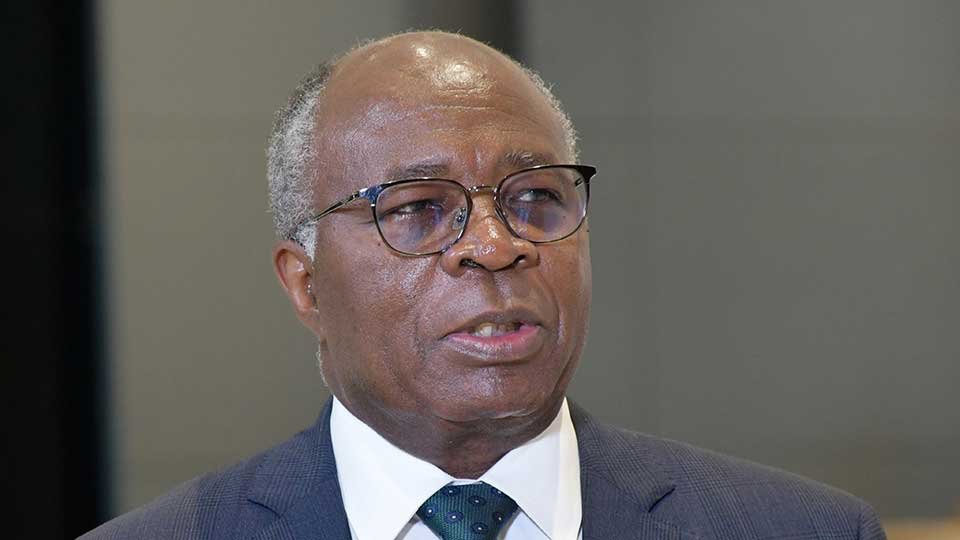
Energy Minister Makozo Chikote, speaking during the ceremony, said the investment comes at a decisive moment as Zambia works to strengthen its energy security.
“This partnership will help us overcome the power shortages that have affected our economy,” he said. “The government welcomes this commitment, which aligns with our broader efforts to ensure a stable, reliable and diversified energy mix.”
Exergy Africa Shareholders Representative Monica Musonda hailed the project as a major milestone for the country and the region, noting that the combination of solar and coal technologies reflects a strategic approach to ensuring steady, scalable power.
“This initiative represents a significant leap toward long-term energy sustainability, not just for Zambia but for the wider region,” she said.
Amsons Group Managing Director Edha Nahdi said the MoU signals a new phase for solar power development on the continent, while acknowledging coal’s continuing role in Africa’s energy landscape.
“This agreement marks a new era for solar integration while recognising the current realities of Africa’s energy mix,” he said.
Africa Power Generation Director Ismail Hemed added that the partnership showcases the impact of African-led cooperation in closing the continent’s energy gaps.
“This MoU demonstrates what Africans can achieve when they collaborate to deliver transformative projects,” he said.
The 1,300MW project is expected to significantly reinforce Zambia’s generation capacity once completed, offering relief to households and industries facing frequent power disruptions and supporting the country’s long-term growth ambitions.