

Lusaka
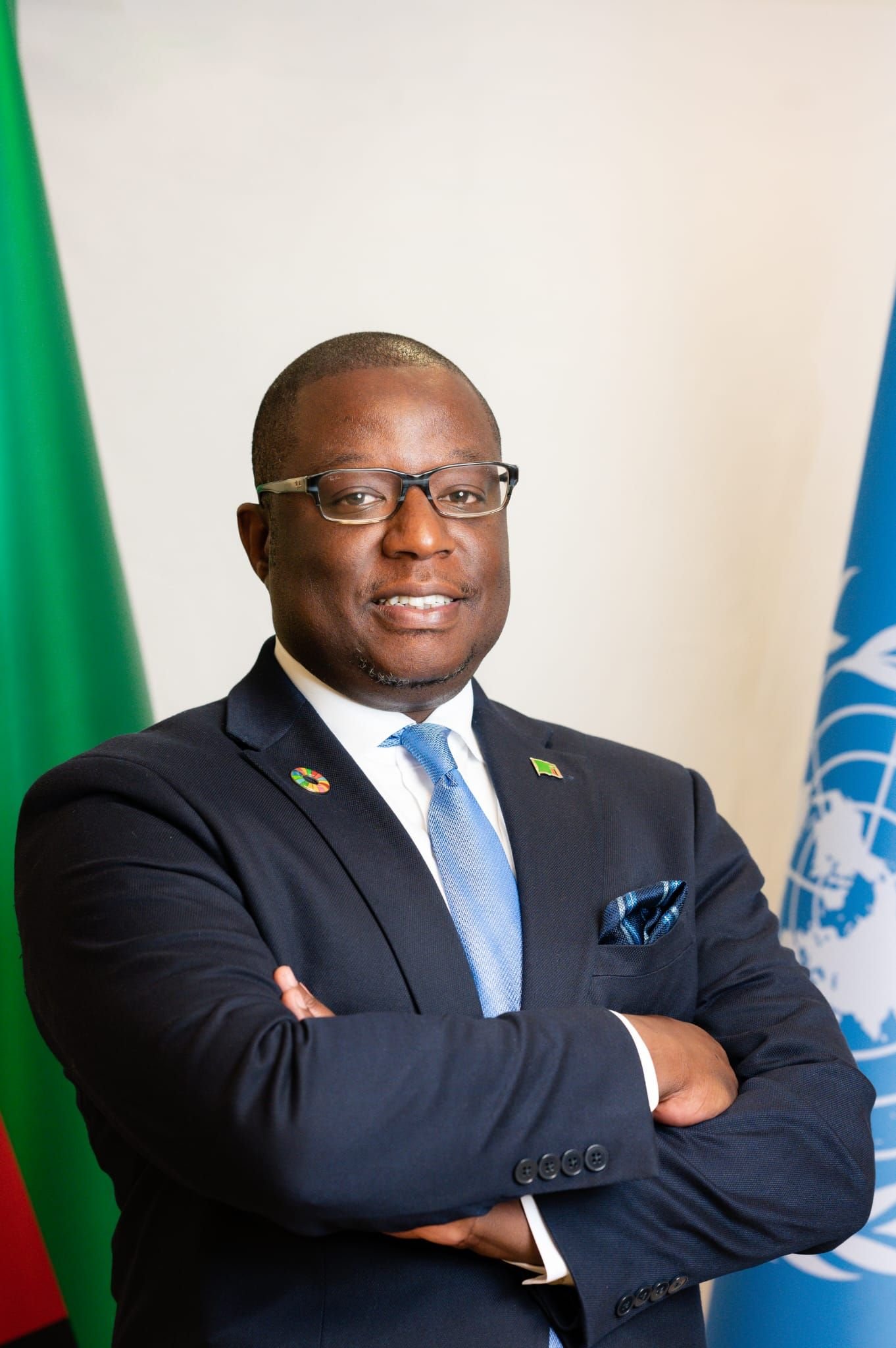
Zambia’s decision to allow a portion of mining tax payments to be made in the Chinese yuan is a calculated fiscal strategy designed to lower the cost of servicing its debt to China, Finance and National Planning Minister Dr Situmbeko Musokotwane has said, as the country deepens financial pragmatism in its long standing economic relationship with Beijing.
Speaking to the press in Lusaka on Tuesday, Dr Musokotwane clarified that the move does not signal a shift away from the US dollar, but rather reflects the currency structure of Zambia’s Chinese loans, most of which are denominated in renminbi (RMB) rather than dollars.
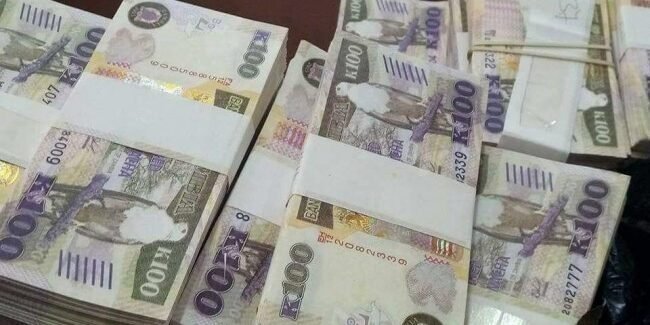
“Because our obligations to China are largely in RMB, repayments must be made in that currency,” Dr Musokotwane said. “Allowing part of mining taxes to be paid directly in RMB helps us avoid unnecessary conversion costs when moving from dollars into yuan.”
Those costs including bank charges, commissions and foreign exchange spreads have, over time, added to the burden of debt service. By cutting them out, the government expects to free up resources that can be redirected toward priority social spending.
“The savings we make through reduced conversion costs can be channelled to critical sectors such as health, education and social services,” the minister said, stressing that the policy is grounded in efficient management of public resources rather than ideology.
Zambia is Africa’s second-largest copper producer, and Chinese firms play a major role across the mining value chain, from extraction to processing and smelting. China is also one of Zambia’s largest bilateral creditors, with loans financing infrastructure projects including roads, power generation and telecommunications.
Dr Musokotwane emphasised that the RMB tax arrangement is not permanent and will be reviewed as economic conditions evolve.
“This is a measure informed by prevailing circumstances,” he said. “If conditions change, the policy can be adjusted. What guides us is prudence and value for money.”
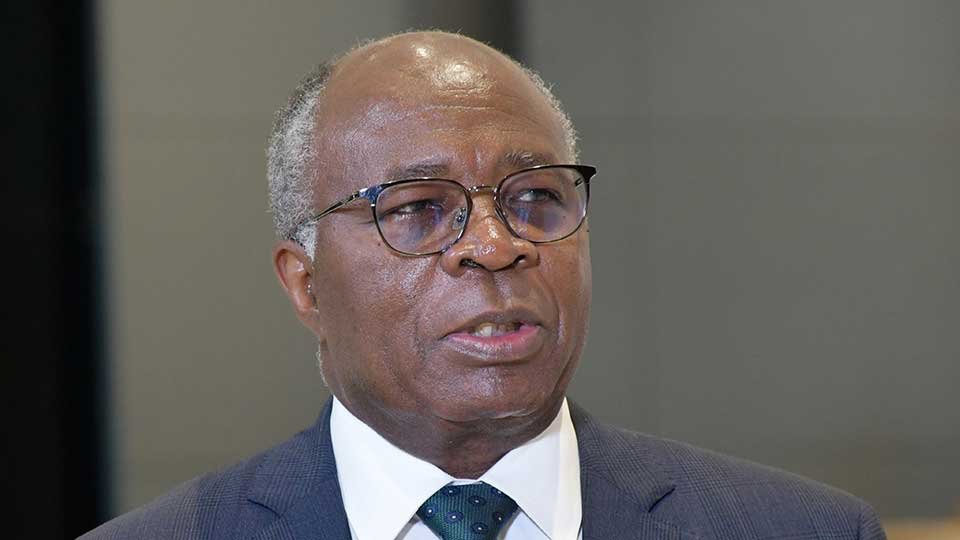
Backing the government’s position, Bank of Zambia Governor Dr Denny Kalyalya said the use of the Chinese renminbi in Zambia’s reserves and payment framework is not a new development, but an extension of an existing practice.
“The RMB has long been part of Zambia’s reserve basket,” Dr Kalyalya said. “Many countries around the world hold renminbi as part of their reserves, even though these holdings are often reported in US dollar terms.”
He explained that the current policy simply increases the proportion of RMB held and used by the country, aligning reserves more closely with Zambia’s external liabilities. As of last year, the RMB accounted for about 1.3 percent of Zambia’s foreign exchange reserves.
Economists say the move reflects a broader trend among countries with significant Chinese exposure to better match the currencies of their assets, revenues and liabilities a strategy aimed at reducing exchange rate risk and transaction costs.
For Zambia, which is emerging from a prolonged debt restructuring process and seeking to stabilise public finances, the policy underscores a more technical and cost-conscious approach to managing its relationship with China one that prioritises fiscal efficiency over symbolism.